
Diabetes can develop slowly, and the early signs are not always obvious. Many people blame tiredness on stress, thirst on warm weather, or waking at night on poor sleep habits. But when certain symptoms keep appearing during the night, they may be worth taking seriously.
Nighttime can make blood sugar changes easier to notice because the body is resting and there are fewer distractions. Waking up to urinate, feeling extremely thirsty, sweating during sleep, tossing and turning, feeling tingling in the feet, or waking up exhausted may all be clues that blood sugar is not well balanced.
These symptoms do not automatically mean diabetes. Many other conditions can cause similar problems, including dehydration, caffeine, urinary tract infections, menopause, sleep apnea, stress, medication effects, kidney problems, and hormonal changes. Still, if these signs happen repeatedly or appear together, it is wise to speak with a healthcare professional and ask whether blood sugar testing is needed.
1. Frequent Urination During the Night
One of the most common nighttime signs linked with high blood sugar is waking up repeatedly to urinate. This is sometimes called nocturia.
When blood glucose rises, the kidneys work harder to filter and remove extra sugar from the blood. This process pulls water into the urine, which can increase both the amount of urine and the number of bathroom trips at night.
You may notice:
waking more than once to urinate
larger-than-usual urine volume
feeling thirsty after bathroom trips
sleep that becomes broken or restless
Occasional nighttime urination can happen after drinking too much fluid before bed, especially caffeine or alcohol. But if it becomes a regular pattern, especially with thirst, fatigue, or blurry vision, it should be checked.
2. Excessive Thirst at Night
Waking up with a dry mouth or intense thirst may be connected to fluid loss from frequent urination. When the body loses more water, thirst becomes stronger.
Some people keep a glass of water beside the bed because they wake up thirsty night after night. Others notice a sticky mouth, dry throat, or feeling dehydrated even when they believe they drank enough during the day.
This thirst-and-urination cycle is one of the classic patterns that can happen when blood sugar is high. The more the body tries to remove excess glucose through urine, the more fluid may be lost, and the stronger thirst may become.
Thirst alone does not prove diabetes. A salty dinner, dry bedroom air, mouth breathing, certain medicines, or not drinking enough during the day can also cause dry mouth. The concern is when thirst is persistent and appears with other symptoms.
3. Night Sweats or Sudden Waking
Night sweats can happen for many reasons, including a warm room, heavy blankets, infections, menopause, anxiety, or medication effects. But in people who already have diabetes or take diabetes medication, sweating at night may sometimes be linked to blood sugar changes.
Low blood sugar during sleep can trigger sweating, a pounding heartbeat, restlessness, vivid dreams, anxiety-like feelings, or sudden waking. This is more common in people using insulin or certain diabetes medicines, but blood sugar instability can disturb sleep in different ways.
You should pay attention if you wake up:
sweaty or clammy
with a racing heartbeat
shaky or anxious
confused or unusually hungry
with damp clothes or sheets
If you already have diabetes, talk with your healthcare provider about nighttime blood sugar patterns. If you do not have diabetes but night sweats happen often with thirst, urination, or fatigue, ask whether blood sugar testing is appropriate.
4. Restless or Disrupted Sleep
Blood sugar imbalance can interfere with sleep quality. High glucose levels may cause thirst, bathroom trips, headaches, and general discomfort. Low glucose levels may cause sudden waking, sweating, anxiety sensations, or vivid dreams.
Over time, poor sleep can become a cycle. Broken sleep may affect appetite, energy, mood, and blood sugar control the next day. A person may spend enough hours in bed but still wake up feeling drained.
Restless sleep is very common and can have many causes, including stress, caffeine, pain, snoring, sleep apnea, depression, and irregular sleep habits. But when disrupted sleep appears together with frequent urination, thirst, tingling feet, or morning fatigue, blood sugar should be considered as one possible factor.
5. Tingling, Burning, or Numbness in the Feet
Tingling or burning sensations in the feet can become more noticeable at night because the body is still and distractions are fewer. Some people describe it as pins and needles, numbness, crawling sensations, burning, or heightened sensitivity in the toes and feet.
Over time, high blood sugar can affect nerves, especially in the feet. This is often called diabetic neuropathy. It usually develops gradually, but nighttime foot discomfort can be an important clue that nerve health needs attention.
Foot tingling does not always mean diabetes. It can also be caused by vitamin B12 deficiency, circulation problems, thyroid disease, back problems, nerve compression, alcohol use, or medication effects. Still, repeated tingling, burning, or numbness should be evaluated, especially if it appears with thirst, frequent urination, blurry vision, or fatigue.
People with diabetes or suspected diabetes should take foot symptoms seriously because reduced sensation can make injuries harder to notice.
6. Unexplained Fatigue Upon Waking
Feeling tired after a poor night of sleep is normal. But if you sleep for many hours and still wake up exhausted, foggy, or weak, blood sugar imbalance may be one possible reason.
When glucose cannot enter the body’s cells effectively because of insulin resistance or insulin deficiency, the body may struggle to use energy properly. This can leave you feeling drained even after rest.
Morning fatigue may include:
brain fog
low motivation
heavy limbs
sleepiness during the day
difficulty concentrating
feeling unrefreshed after sleep
Fatigue is non-specific and can come from many causes, such as anemia, thyroid problems, depression, poor sleep quality, dehydration, sleep apnea, or medication effects. But when it appears together with nighttime thirst, frequent urination, restless sleep, or tingling feet, it should not be ignored.
Why Night Symptoms Matter
Night symptoms matter because they may reveal patterns that are easy to miss during the day. The body’s hormones shift during sleep, and some people experience early-morning rises in blood sugar. This is sometimes called the dawn phenomenon.
For others, symptoms become noticeable simply because nighttime is quiet. Foot tingling, thirst, sweating, and bathroom trips are harder to ignore when you are trying to sleep.
Tracking symptoms can help. Write down when you wake, how often you urinate, whether you feel thirsty, whether you sweat, and how you feel in the morning. This information can help a healthcare professional decide what tests may be needed.
Who Is at Higher Risk?
Anyone can develop diabetes, but risk is higher in people with family history, excess weight, physical inactivity, high blood pressure, unhealthy cholesterol levels, history of gestational diabetes, polycystic ovary syndrome, or age over 45.
Risk can also be higher in people with prediabetes. Prediabetes often causes no obvious symptoms, so testing is important for people with risk factors.
If nighttime symptoms appear and you already have one or more risk factors, it is especially important to ask about screening.
What Tests Can Help?
A healthcare professional may recommend:
fasting blood glucose
A1C test
random blood glucose
oral glucose tolerance test
These tests can help show whether blood sugar is normal, in the prediabetes range, or in the diabetes range. Symptoms alone cannot confirm diabetes.
What You Can Do If You Notice These Signs
Do not self-diagnose from symptoms alone. Instead, take practical steps:
Schedule a medical checkup.
Ask about blood sugar testing.
Track nighttime symptoms for a few days or weeks.
Avoid heavy late-night sugary snacks.
Limit caffeine and alcohol close to bedtime.
Drink water regularly during the day.
Do not start supplements or medication without advice.
If you already have diabetes, do not change your medication by yourself. Nighttime symptoms may mean your treatment plan needs review, but changes should be made with medical guidance.
When Symptoms May Be Urgent
Seek urgent medical help if you have severe weakness, confusion, fainting, trouble breathing, vomiting, severe dehydration, fruity-smelling breath, chest pain, extreme drowsiness, or symptoms that feel dangerous.
These may point to serious blood sugar problems or another medical emergency.
Final Thoughts
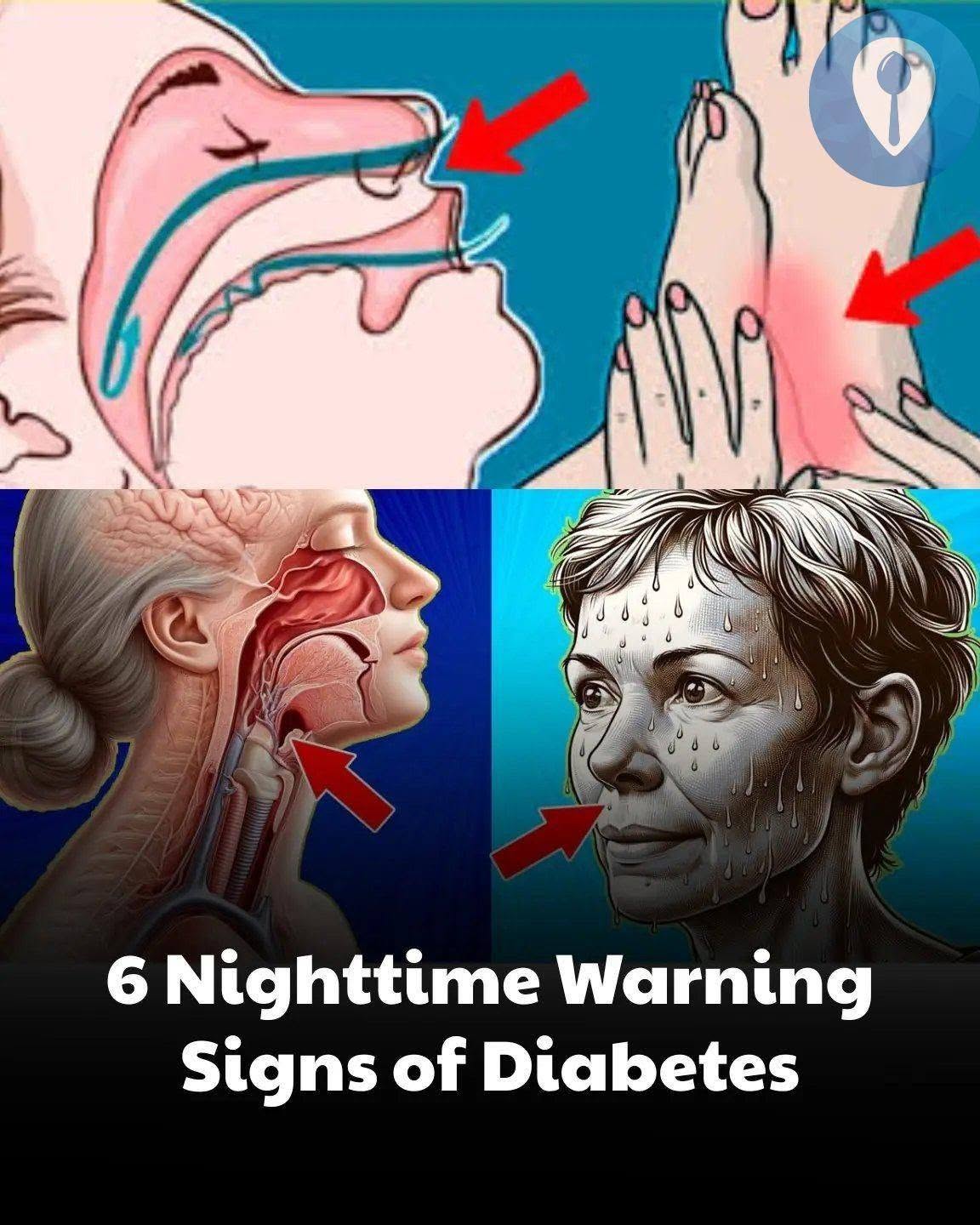
Six nighttime symptoms that may be linked to diabetes include frequent urination, excessive thirst, night sweats, restless sleep, tingling or burning feet, and unexplained morning fatigue.
Individually, these signs may have many causes. But when they keep returning or appear together, they may suggest blood sugar imbalance and should be checked.
The safest step is simple: listen to your body, get tested, and speak with a healthcare professional before problems become more serious.
Disclaimer: This article is for general educational information only and does not replace medical advice, diagnosis, or treatment. If you have persistent symptoms or concerns about diabetes or blood sugar, speak with a healthcare professional.