

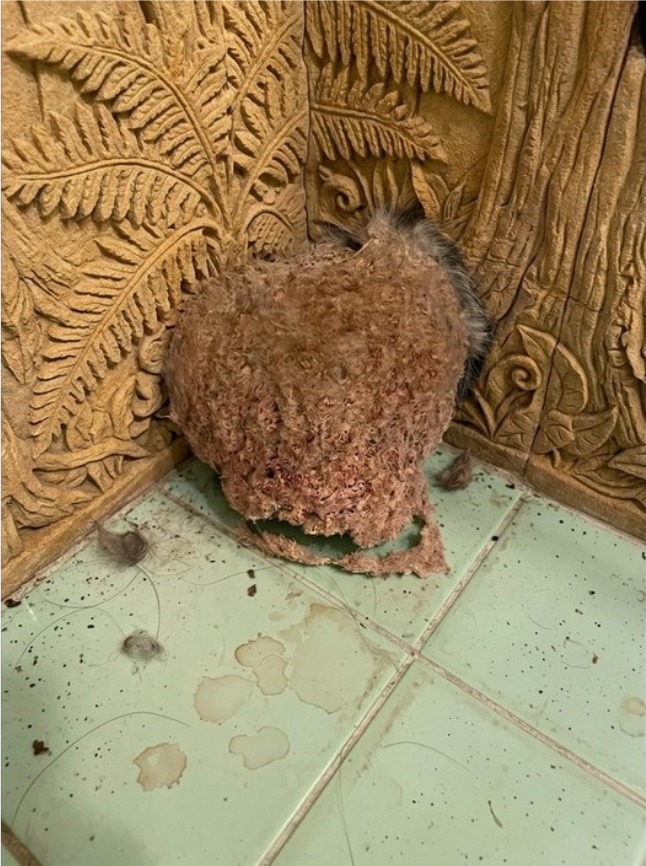
To permanently eliminate termites, the entire colony must be destroyed, including the queen.
The first step is a thorough inspection. Professional termite inspectors use specialized tools to locate nests, identify termite species, determine the extent of damage, and find entry points. Without locating the colony, effective treatment becomes difficult.
One of the most successful long-term treatments is a baiting system. Termite bait stations are installed around the property. Worker termites feed on the bait and carry it back to the colony. The bait contains substances that prevent termites from molting and developing properly. Over time, the workers die, food distribution stops, and the colony collapses.
Another common treatment involves liquid termiticides. These products are applied to the soil around the foundation, creating a protective barrier. When termites travel through the treated soil, they are exposed to the chemical and transfer it to other colony members.
Wood treatments may also be used. Specialized products penetrate wooden structures and provide long-term protection against future infestations. These treatments are especially valuable during renovations or new construction.
Moisture control is equally important for permanent prevention. Fixing leaks, improving drainage, repairing damaged gutters, increasing ventilation, and reducing humidity make the environment less attractive to termites.
Removing wood-to-soil contact is another critical step. Wooden fences, porch posts, firewood piles, mulch, tree stumps, and lumber stacked against a house can serve as termite bridges. Eliminating these connections significantly reduces risk.
Regular inspections are essential because termites can return if conditions remain favorable. Even after successful treatment, annual inspections help detect new activity before serious damage occurs.
Some homeowners search for natural remedies such as vinegar, orange oil, salt, boric acid, or essential oils. While some of these substances may kill individual termites upon direct contact, they rarely eliminate entire colonies. Large termite colonies often contain hundreds of thousands of individuals hidden far from visible areas. Natural treatments usually provide only temporary relief.
The reason professional termite control is often recommended is that termites operate as a superorganism. The colony functions as a single coordinated unit. Unless the reproductive center and queen are eliminated, the colony can recover and continue growing.
Termites cause billions of dollars in property damage worldwide each year. Unlike storms, floods, or fires, termite damage often progresses slowly and silently. By the time visible signs appear, significant structural deterioration may have already occurred.
The most effective permanent solution combines colony elimination, moisture management, structural repairs, preventive barriers, and ongoing monitoring. When all these measures are implemented together, the chances of future termite infestations decrease dramatically.
In summary, a termite nest appears in a house because the environment provides food, moisture, shelter, and protection. Termites are attracted to wood and damp conditions, and they can remain hidden for years while expanding their colonies. Permanent removal requires eliminating the entire colony, especially the queen, while also correcting the environmental conditions that attracted termites in the first place. Simply removing visible termites or destroying part of a nest is rarely enough. Long-term success comes from comprehensive treatment, prevention, and regular monitoring.
🔥 Continue Reading 👇 Next Page
To see the full cooking instructions, go to the next page or click the Open button (>) and don't forget to SHARE it with your friends on Facebook.