
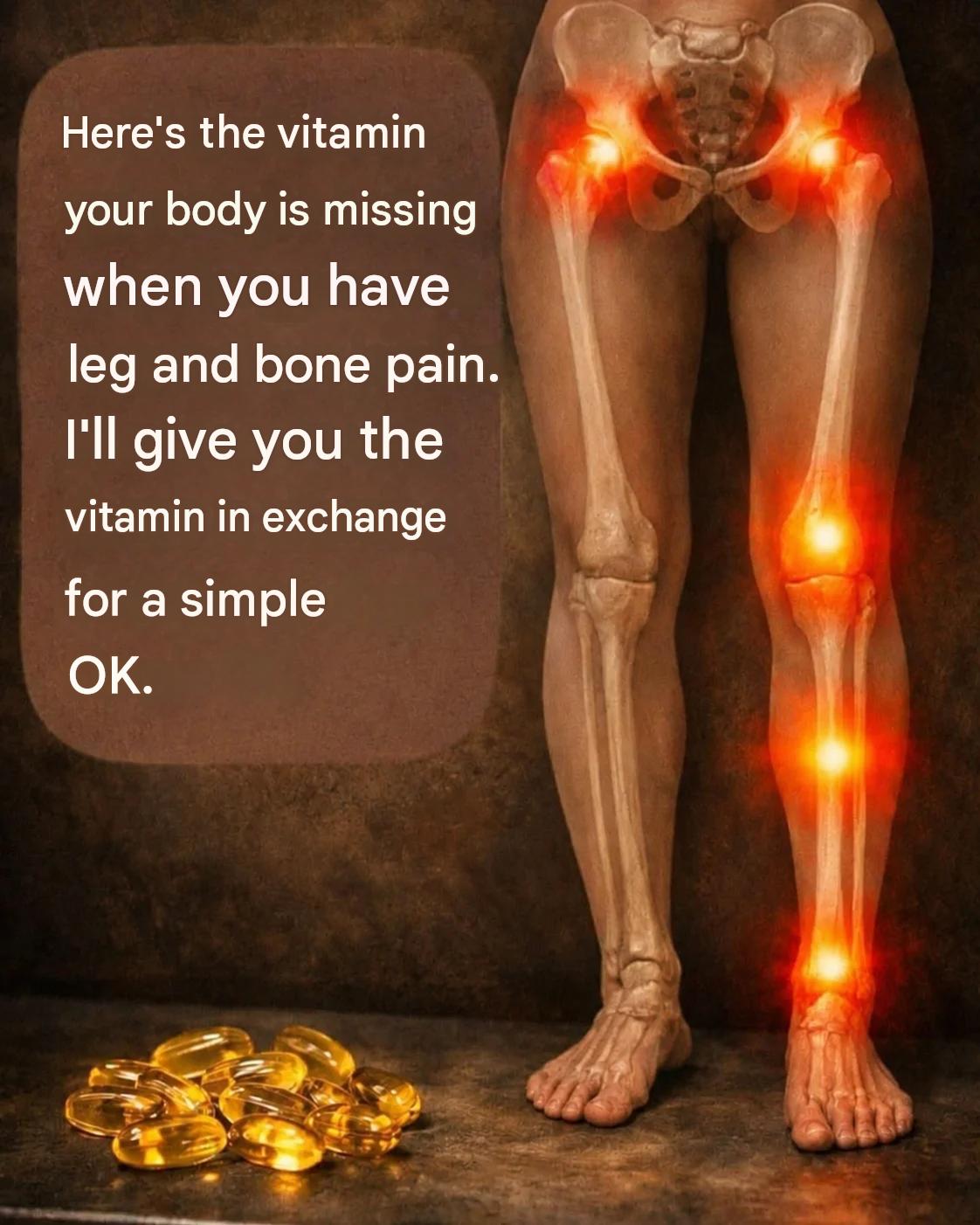
The vitamin that can help circulation and prevent clotting problems in the legs
When I read “The vitamin that can help circulation and prevent clotting problems in the legs,” my first reaction is alarm. Because the text, although it later clarifies that vitamin E doesn’t literally “dissolve clots,” the title and opening can lead to confusion. And in terms of thrombosis, confusion can be deadly. Vitamin E is an antioxidant that helps protect cells from oxidative damage and can help maintain the flexibility of blood vessels. But it doesn’t dissolve existing clots or prevent deep vein thrombosis. In fact, at high doses, vitamin E can increase the risk of bleeding, especially when combined with blood thinners such as warfarin or rivaroxaban.
The veins of health
Half compression
Healthy legs
See more
The text mentions symptoms such as swelling, tingling, cramps, and prominent veins. Some of these symptoms can be signs of chronic venous insufficiency, but also of deep vein thrombosis. The difference is crucial: thrombosis usually occurs with pain, warmth, redness, and swelling in one leg. If someone experiencing these symptoms reads this article and thinks that taking vitamin E is enough, they could be delaying urgent treatment and putting their life at risk.
Safe recipe (dietary intake of vitamin E, no supplement):
1 handful of almonds or walnuts (approximately 30 grams)
1/2 avocado
1 tablespoon of extra virgin olive oil in salad
Preparation: Including these ingredients
Instructions for correct use:
Do not take unsupervised vitamin E supplements: High doses (over 400 IU per day) have been associated with an increased risk of bleeding and death. Vitamin E from food is sufficient and safe.
The rest is on the next page
Serious contraindications: If you are taking anticoagulants (warfarin, rivaroxaban, apixaban), antiaggregates (aspirin, clopidogrel) or if you suffer from a vitamin K deficiency, do not take vitamin E supplements without consulting your doctor.
Warning signs: If you experience swelling, pain, and redness in a leg, or difficulty breathing, don’t reach for vitamins: go to the emergency room. It could be a deep vein thrombosis or a pulmonary embolism.
What really prevents clots: staying active (walking every hour if you work sitting down), using compression stockings on long journeys, maintaining a healthy weight, not smoking, and controlling blood pressure and glucose.
Actual expectations: Vitamin E from food may contribute to overall vascular health, but it does not prevent or treat thrombosis.
The text is confusing: although it specifies that it is not miraculous, the title and the boldness can be misleading. Information about cardiovascular health must be clear and precise.
In short: Vitamin E is an essential nutrient with antioxidant properties, but it is not a “natural blood thinner” or dissolves clots. If you experience symptoms of poor circulation or suspected thrombosis, consult a doctor. Do not self-medicate with supplements. Healthy circulation is built with movement, hydration, a healthy weight, and, if necessary, prescription medication. Not with magic vitamins.
The rest is on the next page