

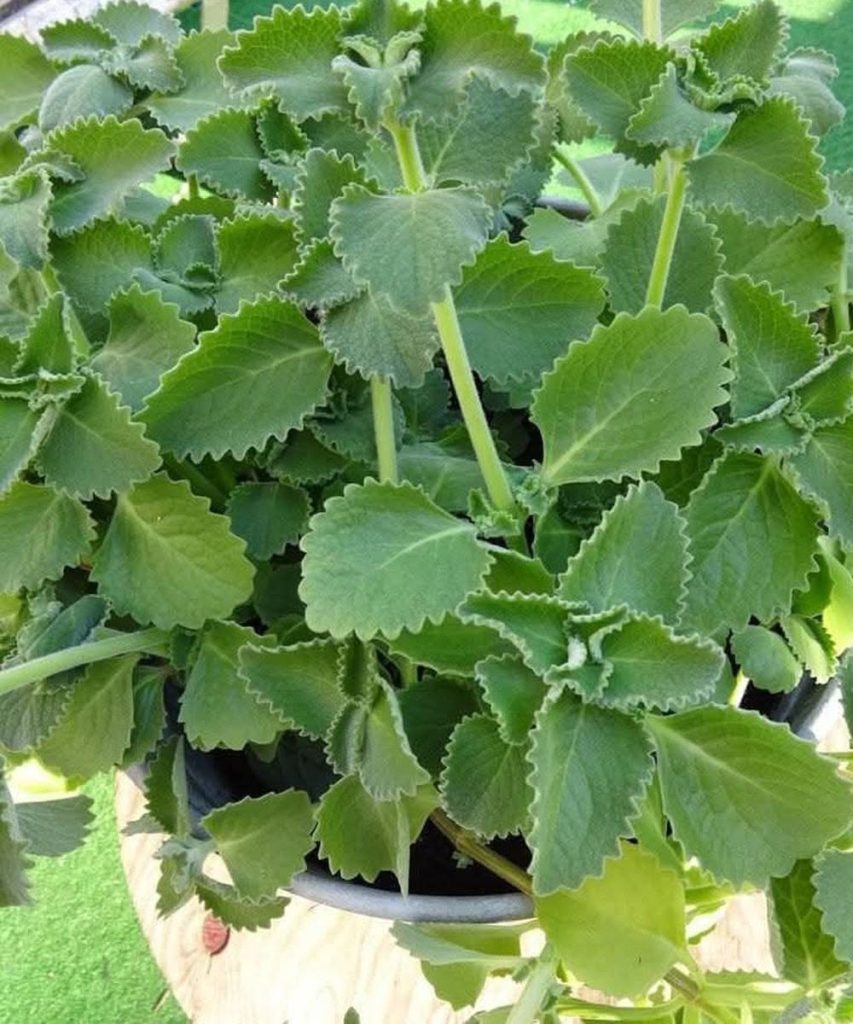
Oregano—often associated with pizza and pasta—is far more than a culinary herb. For centuries, it’s been used in Mediterranean and traditional medicine for its antimicrobial, antioxidant, and anti-inflammatory properties. Modern science now confirms that this humble herb packs a powerful phytochemical punch, offering gentle yet meaningful support for everyday wellness.
Let’s explore what research reveals about oregano’s benefits, safe usage, and practical ways to harness its potential.
Key Bioactive Compounds in Oregano
Oregano’s power lies in two primary compounds:
- Carvacrol: Potent antimicrobial and antifungal agent
- Thymol: Antioxidant and immune-supportive phenol
Together, they give oregano one of the highest antioxidant capacities among herbs—surpassing even blueberries and oranges by weight (per USDA ORAC scale).
Science-Backed Benefits
1. Natural Antimicrobial Support
- Lab studies show oregano oil (rich in carvacrol) inhibits E. coli, Salmonella, Staphylococcus, and Candida (yeast).
- A 2020 review in Frontiers in Microbiology noted oregano’s potential as a food preservative and gut pathogen fighter—though human trials are limited.
Practical use: Adding fresh or dried oregano to meals may help reduce foodborne risk.
2. Antioxidant Protection