
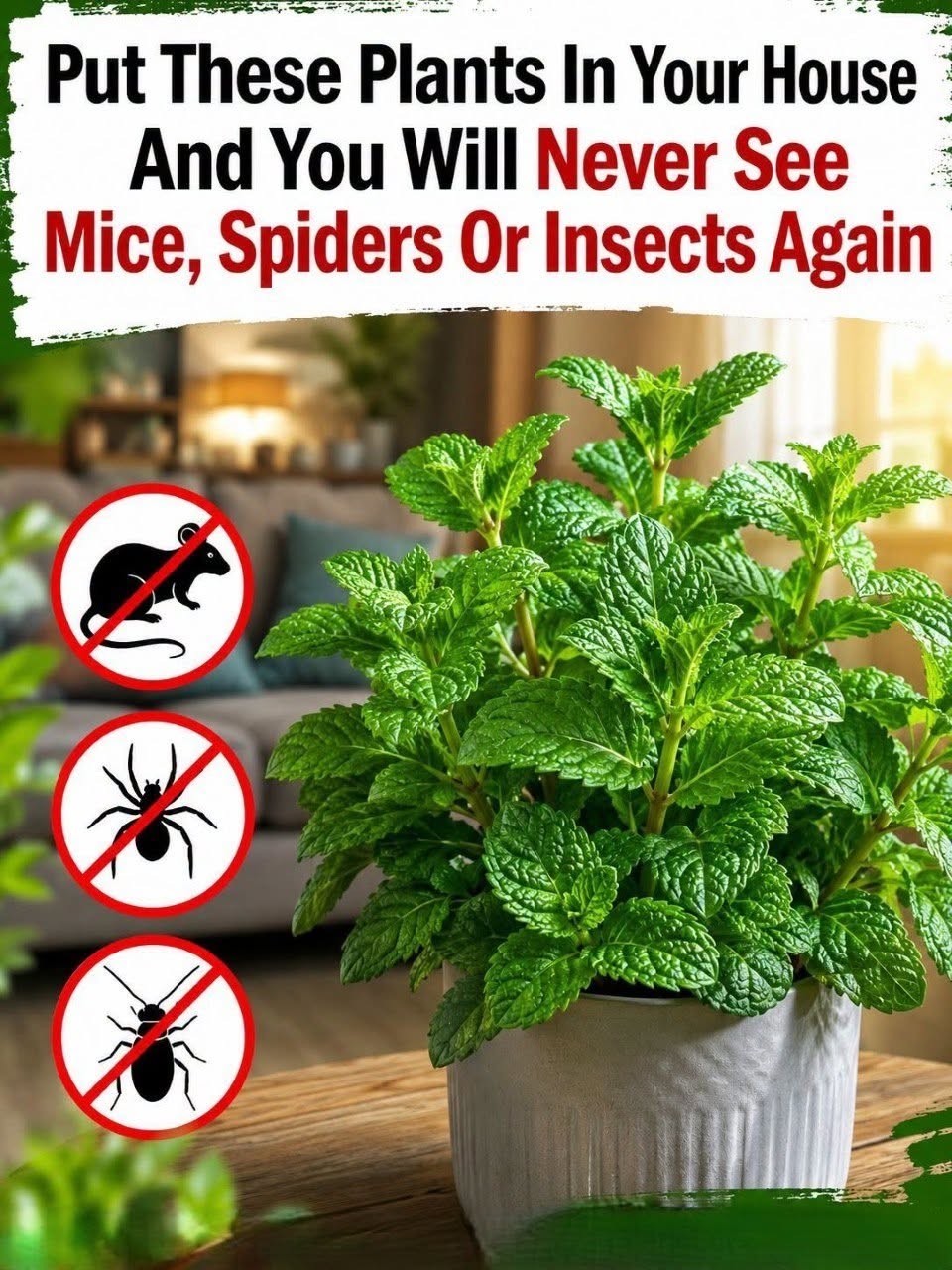
and the specific pest being managed.
Grow these plants because they are beautiful, fragrant, useful in the kitchen, attractive to beneficial wildlife, and potentially helpful as part of a broader pest-management plan.
Then support them with the measures that make the biggest difference: remove breeding sites, maintain sanitation, seal entry points, repair screens, reduce clutter, and use proven pest-control tools when necessary.
That balanced approach gives you a better chance of enjoying your home and garden with fewer unwanted visitors—without expecting eight plants to perform a job they were never designed to do alone.