
-
- bacteria and protect teeth from decay.
- Early Management Helps Prevent Complications – Drinking more water, using a humidifier, chewing sugar-free gum, maintaining good oral hygiene, and consulting a dentist or healthcare provider for persistent symptoms can improve comfort and reduce long-term dental risks.
Symptoms of Dry Mouth
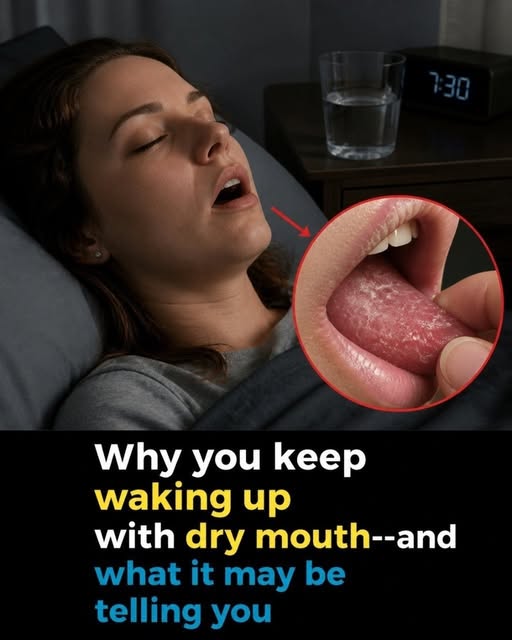
Dry mouth is characterized by a lack of saliva in the oral cavity. Some common symptoms of dry mouth include:
Health Conditions
- A sticky or dry feeling in the mouth.
- Difficulty in chewing, swallowing, or speaking.
- A persistent sore throat.
- Frequent thirst, especially at night.
- Bad breath (halitosis).
- Cracked lips and sores in the corners of the mouth.
Causes of Morning Dry Mouth
Several factors can contribute to dry mouth, primarily upon waking up:
-
- Dehydration: Insufficient fluid intake, especially before bedtime, can reduce saliva production.
- Breathing Through the Mouth: People who breathe through their mouths at night due to congestion or habit may experience dry mouth.
- Medications: Many medications, including antihistamines, decongestants, and some antidepressants, can cause dry mouth as a side effect.
- Underlying Health Conditions: Conditions like diabetes, Sjögren’s syndrome, and autoimmune diseases can lead to chronic dry mouth.
- Aging: Saliva production tends to decrease as we age, making older adults more prone to dry